

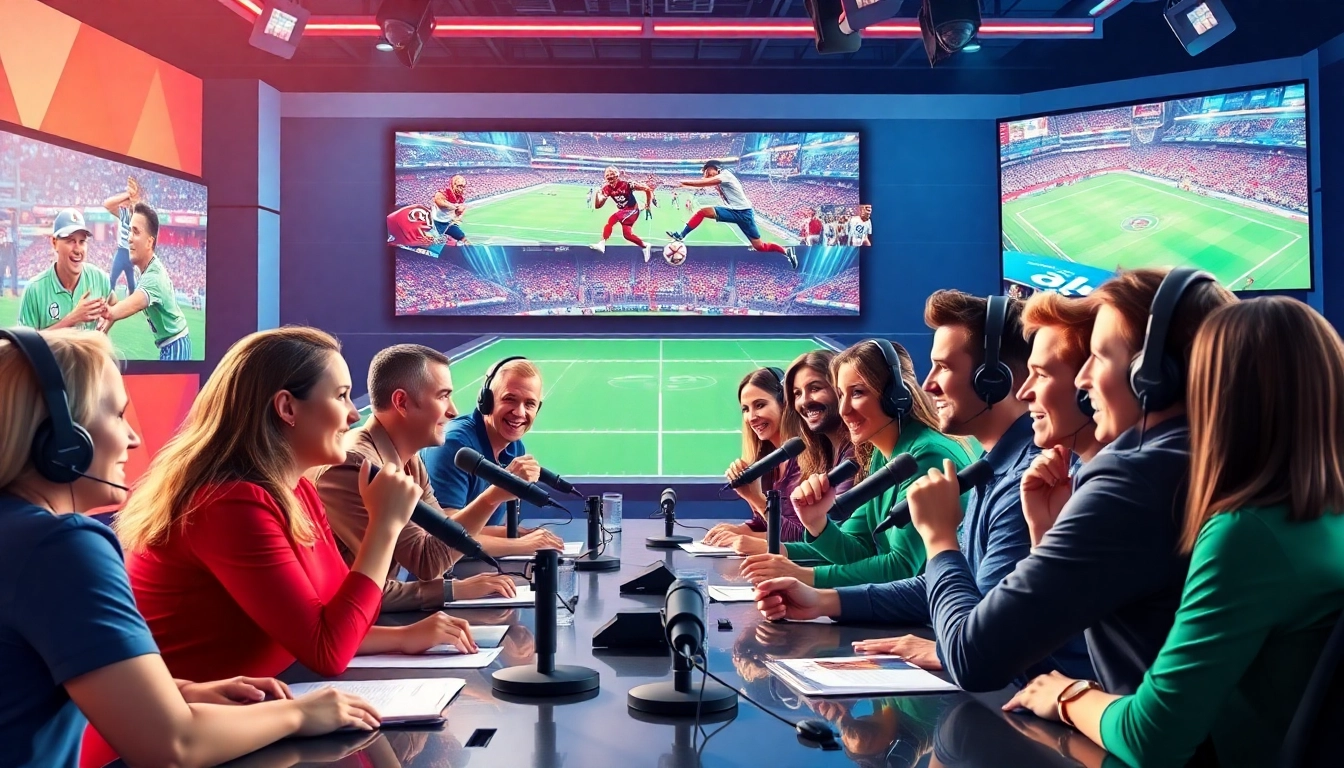
Understanding Sports Broadcasting
Definition of Sports Broadcasting
Sports Broadcasting refers to the distribution of sports content via television, radio, or online platforms, delivering live events to audiences worldwide. With the advent of new technologies, the breadth of sports broadcasting has grown immensely, allowing fans to engage with their favorite events like never before. This phenomenon has transformed how audiences consume sports content, merging entertainment with sporting events in a seamless viewing experience. Various formats, including live broadcasts, highlights, and analyses make it a versatile field.
Importance in the Sports Industry
The role of Sports Broadcasting in the sports industry cannot be overstated. It serves as the primary medium through which fans experience events they love, while also generating substantial revenue for sports organizations. Sponsorships, advertising, and broadcasting rights comprise a significant portion of the financial ecosystem within sports. A successful broadcasting strategy can elevate the visibility of sports teams and thereby increase engagement from loyal fans. Furthermore, it allows athletes to build their personal brands, encouraging further investment into the sport by sponsors and stakeholders. Thus, the significance of Sports Broadcasting extends beyond mere event coverage, influencing the entire sports landscape.
Historical Evolution of Broadcasting
The history of Sports Broadcasting dates back to the early 20th century, with the first radio broadcasts featuring sports events appearing in the 1920s. This exciting innovation transformed fans‘ access to sporting events, allowing them to keep up with games without being physically present. The subsequent introduction of television broadcasting in the 1950s amplified this reach, enabling fans to watch live events in the comfort of their homes. Over time, technological advancements such as HD broadcasts, satellite feeds, and streaming services have continuously refined the viewing experience, establishing a dynamic evolution that keeps adapting to audience preferences and technological capabilities.
Key Components of Sports Broadcasting
Technology in Sports Broadcasting
Technology forms the backbone of modern Sports Broadcasting. Innovations like high-definition video, multi-angle camera views, slow-motion replays, and enhanced audio experiences create a captivating environment for viewers. Furthermore, advancements in satellite technology enable broadcasters to deliver high-quality content to audiences in remote regions alike. The rise of digital platforms has ushered in the age of streaming, where audiences can access sports content anytime and anywhere. These advances not only empower fans with diverse viewing options but also compel broadcasters to innovate continuously, ensuring their content remains relevant and engaging.
Broadcasting Formats and Platforms
The landscape of Sports Broadcasting has shifted dramatically with the emergence of various formats and platforms. Traditional television remains pivotal, but streaming services, social media, and mobile applications are progressively taking center stage. Live telecasts, recorded highlights, podcasts, and interactive content allow spectators to engage with sports in a myriad of ways. Moreover, niche networks and platforms dedicated to specific sports or events enable a deeper connection with particular fanbases. Continuing to diversify broadcasting formats is vital for broadcasters aiming to cater to evolving viewer preferences.
Analytics and Audience Engagement
Audience engagement is no longer a matter of simply broadcasting a game. Advanced analytics tools are now used to assess viewer interactions, behaviors, and preferences comprehensively. Employing data-driven insights allows broadcasters to tailor their content to the specific interests of their audiences. Engagement strategies may include interactive features such as polls, social media integration, and behind-the-scenes content that deepens the connection between fans and their favorite sports. Enhanced engagement efforts contribute significantly to audience retention and loyalty, ultimately impacting overall viewership figures positively.
Challenges in Sports Broadcasting
Content Rights and Licensing
One of the most significant challenges in Sports Broadcasting is navigating content rights and licensing agreements. Securing the rights to broadcast specific events often involves complex negotiations, and these rights can vary widely across regions and platforms. Additionally, the presence of multiple competing agencies for broadcasting rights complicates the process further. To thrive, sports broadcasters must stay informed about legislation and changes in intellectual property laws while also forging strong relationships with sports leagues and governing bodies.
Technology Integration Issues
While technological advancements have propelled Sports Broadcasting forward, they also present integration challenges. Implementing new broadcasting technologies can require significant investment, training, and adaptation within existing frameworks. Broadcasters face obstacles in ensuring that old and new systems interact smoothly, especially during live events, where technical errors may lead to viewer dissatisfaction. Continuous training and proactive planning are imperative to ensure smooth transitions as technology evolves.
Competition with New Media
The rise of new media platforms, including social media and user-generated content, poses a unique challenge to traditional Sports Broadcasting. With audiences, especially younger generations, increasingly turning to digital and social platforms for sports content, traditional broadcasters must compete with these agile and often free alternatives. To retain their audience, broadcasters need to innovate their offerings significantly, create compelling and shareable content, and develop partnerships that can enhance their visibility across multimedia platforms.
Trends Shaping the Future of Sports Broadcasting
Rise of Streaming Services
The growth of streaming services has revolutionized Sports Broadcasting, making it more accessible than ever. These platforms provide flexibility, allowing viewers to watch their favorite sports events on their terms. Sports leagues are increasingly partnering with streaming platforms to deliver live and exclusive content, further diversifying their audience base. This trend not only empowers consumers but also encourages broadcasters to adopt hybrid models, integrating traditional broadcasting with contemporary media delivery methods.
Interactive Viewing Experiences
Viewers today expect more than just passive content consumption; they desire an interactive experience that fosters engagement. Innovations such as real-time statistics, live social media feeds, and gamification elements within broadcasts are becoming commonplace. These interactive features encourage audience participation, allowing fans to feel integrated into the action unfolding on their screens. By providing these unique experiences, broadcasters can elevate viewer satisfaction and loyalty significantly.
Augmented Reality in Broadcasting
Augmented Reality (AR) is an emerging trend that enhances Sports Broadcasting by bringing the action to life in new and dynamic ways. AR technology enables broadcasters to overlay digital information onto the physical world during live events, creating immersive viewing experiences for fans. From displaying real-time statistics and player highlights to enhancing the visual storytelling of the game, AR presents an innovative avenue for engaging audiences while providing richer content experiences that are competitive in today’s media landscape.
Measuring Success in Sports Broadcasting
Metrics for Engagement and Reach
Measuring success in Sports Broadcasting requires analyzing a combination of quantitative and qualitative metrics. Viewership ratings, social media engagement, and audience demographics provide valuable data regarding reach. Understanding these metrics not only serves to assess performance but also informs strategies for future broadcasts. Tracking these insights over time assists in recognizing patterns and evolving audience preferences, allowing broadcasters to refine their content delivery effectively.
Audience Feedback and Adaptation
Audience feedback plays a pivotal role in the success of Sports Broadcasting. Listening to viewer opinions and preferences through surveys, social media interactions, and real-time analytics informs broadcasters’ decisions regarding content adaptation. Being responsive to audience insights fosters a sense of community and loyalty, facilitating stronger relationships between broadcasters and viewers while directly influencing future programming and features.
Case Studies of Successful Broadcasts
Numerous case studies exemplify what successful Sports Broadcasting looks like. Analyzing various successful broadcasts can provide invaluable insights into effective strategies. One notable aspect is the efficient use of social media as a supplementary platform that enhances traditional broadcasts, resulting in increased viewer engagement. Moreover, case studies reveal that integrating interactive elements tailored specifically to audience preferences can greatly increase viewer retention and satisfaction, setting a precedent for future broadcast strategies.
FAQs
What is Sports Broadcasting?
Sports Broadcasting refers to the distribution of sports content via television, radio, or online platforms, delivering live events to audiences worldwide.
How has technology changed Sports Broadcasting?
Technology has revolutionized Sports Broadcasting with HD video, live streaming, and interactive features that enhance viewer experiences across multiple platforms.
What are the main challenges in Sports Broadcasting?
Challenges include securing broadcasting rights, keeping up with technological advancements, and competing with the rise of digital and social media platforms.
What future trends are impacting Sports Broadcasting?
Emerging trends include the integration of streaming services, augmented reality features, and personalized viewer experiences that cater to diverse audiences.
How is success measured in Sports Broadcasting?
Success is measured using metrics such as viewer ratings, audience engagement levels, social media interaction, and revenue generated from broadcasts.
The dynamics surrounding Sports Broadcasting continue to evolve with technological developments and changing audience expectations. By understanding these key aspects, industry stakeholders can better navigate the complexities and optimize their broadcasting strategies.